Stakeholder engagement
From the communities living alongside a project to the regulators accountable for it and the workforce delivering it, the people around major work decide its future. We help you communicate and educate clearly, so they understand what you’re doing and why it matters.
Start a conversation.
The problem
A major project touches a lot of people who had no say in starting it. Communities living alongside it. Regulators accountable for it. Employees delivering it. A public forming a view from the headlines. Almost none of them will read the engineering.
When the work is complex and the communication is thin, misunderstanding fills the gap, and misunderstanding hardens into mistrust. By the time objection becomes organized, the cost of winning people back is far higher than the cost of explaining clearly in the first place.
The job is to close that gap honestly. To explain what is being done, and why, clearly enough that people can weigh it on the facts. Not to win an argument, but to be understood, because understanding is the only support that lasts.
How we help
We start with understanding; persuasion can wait. What people need to know, what they are worried about, and what would honestly answer it. Only then do we decide what to make.
From there it might be a print brochure, a community campaign, a film, an exhibition, consultation materials or a digital tool. Usually several, working together. The medium follows the audience, never the other way round.
And we only do this for work that stands up to it. Clear communication is a poor disguise for a bad project, and a powerful thing for a good one.

What it can involve

Stakeholder mapping and messaging.
Working out who matters, what they believe, and what would move them.
Community and public campaigns.
Reaching the people around a project where they actually are.
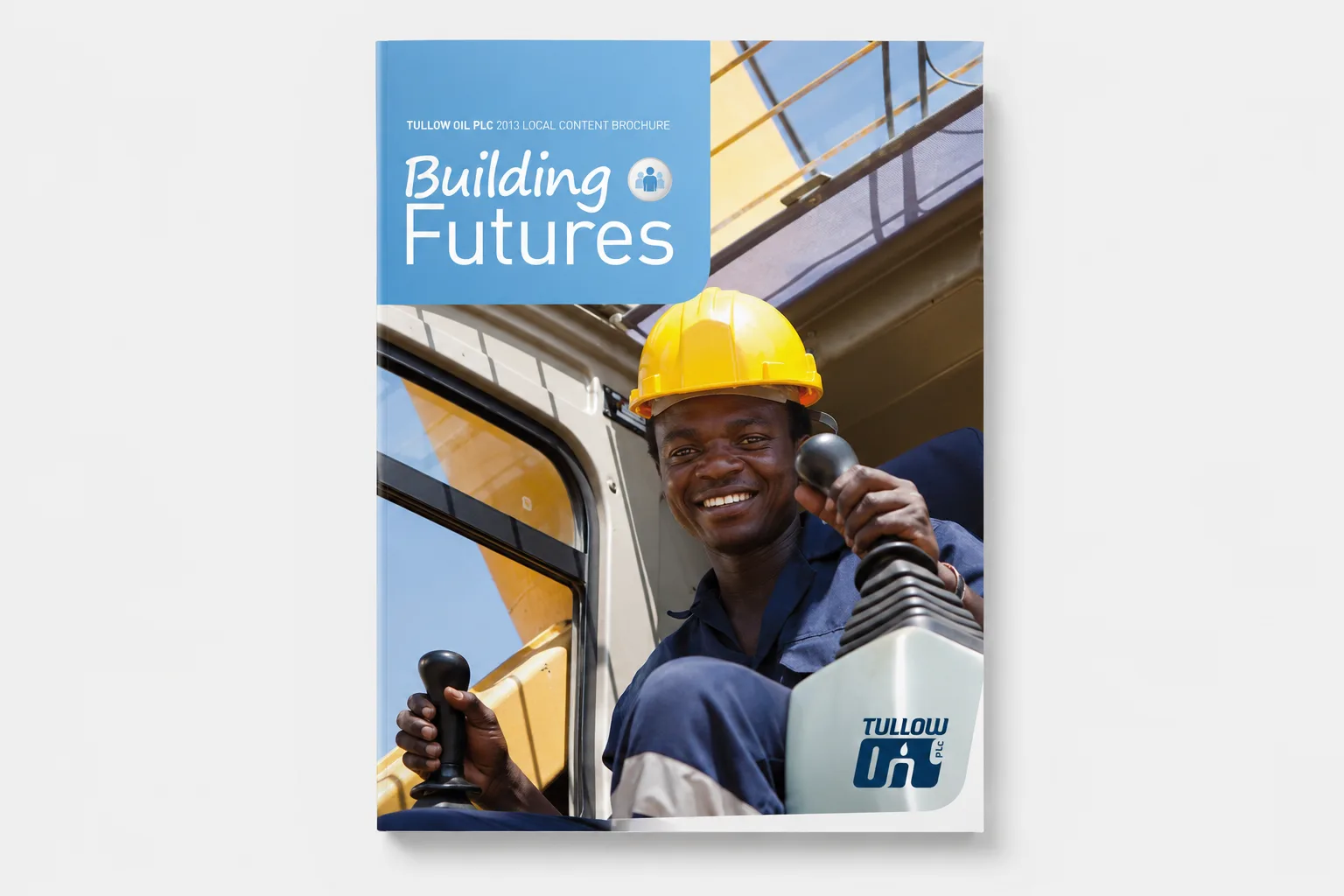
Local content and supply-chain comms.
Showing communities how they can take part in it.
Consultation and planning materials.
The documents and sessions that meet the requirements and actually inform.
Internal and workforce communication.
Bringing the people delivering the work along with it.
Print, film, events and digital.
Whatever format reaches the audience that matters.
Why Myriad
Major operators bring us in when the stakes are high and the audience is sceptical, because we’ve a long record of doing it without resorting to spin. We know the difference between communication that informs and communication that manages, and so do the audiences. The strategy to find the honest answer and the craft to make it land, in one place.
Common questions
Isn’t this just PR spin?
+
No. We help you explain a good project honestly. If a project can't be defended on the facts, better communication won't save it, and we'll say so.
Can you handle hostile or organized opposition?
+
By addressing it honestly rather than talking over it. Answering the real questions is what actually shifts a sceptical audience.
Do you cover internal as well as external audiences?
+
The workforce is a stakeholder too, and an engaged internal audience is often the most credible voice you have externally.
Can you work across the formal consultation process?
+
We produce the materials that meet the requirements and inform, rather than tick a box.
When should we start engagement?
+
Earlier than feels necessary. Explaining clearly before opinions form costs far less than winning people back after objection organizes. If consent matters to your schedule, engagement belongs at the front of it.