
Oil, gas and industrial 3D animation
Myriad makes 3D animation and engineering visualisation for oil and gas fields, pipelines, drilling technology, construction and industrial plants. We’ve animated work for Baker Hughes, Halliburton, Chevron, Tullow Oil and Maersk Oil, for buyers, investors, regulators and the teams who run the assets.
Start a conversation.
The problem
Most of what matters in oil, gas and heavy industry is out of sight: below the seabed, inside a pipe, at a wellhead far offshore, or on a plant that only exists on drawings. Photography can’t reach it, and diagrams rarely hold attention.
The people you need to persuade vary as much as the asset. A buyer wants to see what a technology does and why it beats the alternative. An investor or partner wants to understand the development plan. A regulator or local community wants to know what will be built and where.
3D animation shows the whole system and then moves inside it, in the order that makes sense to the audience and at a level of detail you control.
How we help
We build accurate 3D models from your engineering data: CAD and BIM files from Navisworks, Revit and most other engineering software, or plans, elevations and process diagrams. Equipment, pipelines, platforms and plant are modelled to match what is installed or planned, so the animation holds up when engineers watch it.
From that model we produce what each audience needs: an equipment animation for sales and launches, a field development or process explainer for partners and regulators, stills for reports and presentations, and versions in other languages where a market needs them.
What it can involve
Equipment and technology animation.
How a tool, module or system works, inside and out.
Field development animation.
Wells, subsea systems and platforms, from reservoir to export.
Pipeline route animation.
Routes, crossings and facilities shown across real terrain.
Process and plant animation.
How a refinery, petrochemical or methanol plant turns feedstock into product.
Launch and exhibition films.
Cinematic product films for events such as Gastech and ADIPEC.
Multi-language versions.
The same animation voiced or subtitled for each market.
Oil, gas and industrial projects we’ve animated
Baker Hughes NMBL.
A cinematic 3D launch film for the NMBL modular LNG solution at Gastech 2025.
Halliburton E-CD.
An animation taking potential clients from the big picture to the equipment in place.
Maersk Oil Qatar, Al Shaheen.
How a record-breaking field overcame its development challenges, 20 years after first oil.
AGDC, Alaska LNG pipeline.
Films in four languages explaining Alaska’s 800-mile gas pipeline to buyers in Asia.
Tullow Oil, East Africa pipelines.
3D animations of two pipeline routes in English and Swahili, delivered within eight days.
KrisEnergy, Apsara.
The Apsara oil discovery explained in 3D, with a Khmer version for Cambodian audiences.
Chevron, Gorgon Phase 2.
A photo-realistic 3D animation of the Jansz-Io subsea system and new LNG trains.
Methanex, Geismar 3.
Onboarding and progress films with 3D for a Louisiana methanol plant’s site team and investors.
Premier Oil, Solan.
A 3D animation of the Solan field development.
Selected work


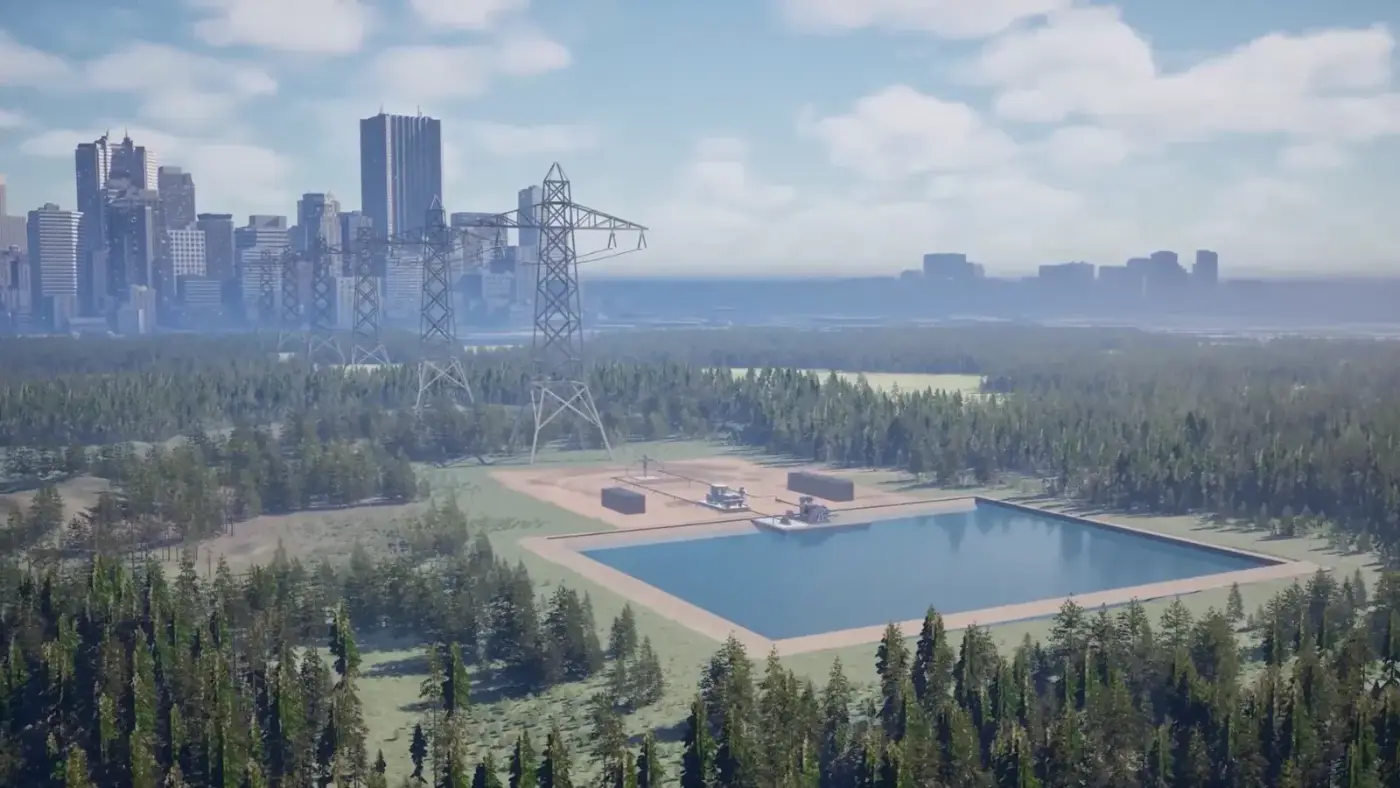
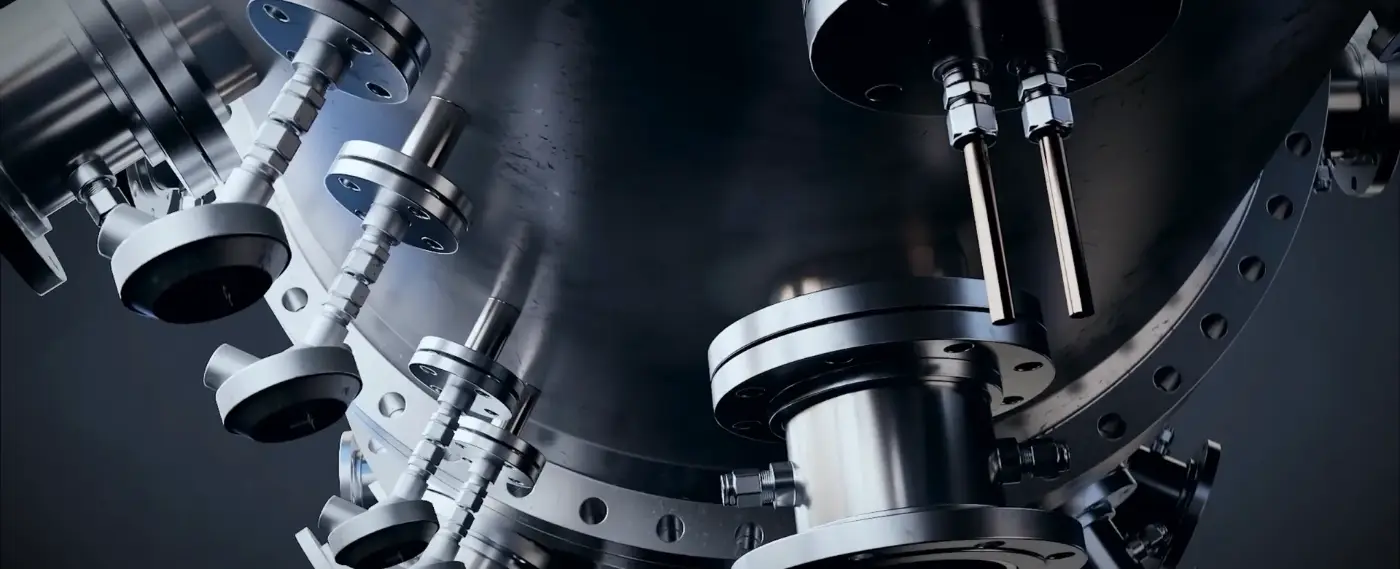
Why Myriad
Clients include Baker Hughes, Halliburton, Chevron, Tullow Oil, Maersk Oil Qatar, Methanex, KrisEnergy and AGDC. We know how wells, pipelines and process plant fit together, and we check the model with your engineers before anything is rendered, so it stands up when technical people watch it. We work from offices in Houston, Abu Dhabi and London, on projects from the US Gulf Coast to the UAE, the UK, Africa and Asia.
Common questions
What can 3D animation show that filming can’t?
+
Anything out of sight or not yet built: reservoirs, subsea systems, the inside of equipment, pipeline routes across hundreds of kilometres, or a plant before construction. Animation can also cut away, slow down and label what matters.
Can you use our CAD models, or do you build from scratch?
+
Both. We can take CAD and BIM files directly from Navisworks, Revit and most other engineering software, or build from plans, elevations and process diagrams if there’s no 3D model yet. The more detailed the data, the more exact the model, and where the design is still changing we build it so it can be updated.
How long does a 3D animation take?
+
It depends on the scope and the state of your engineering data. An animation of one piece of equipment or one facility usually takes a few weeks; a full field development or plant film takes longer. Faster turnarounds are possible: we delivered two pipeline animations for Tullow Oil, in English and Swahili, within eight days.
What does an oil and gas 3D animation cost?
+
Most of our 3D animations cost between $25,000 and $100,000. The price depends on the length, the level of detail, the complexity of the asset and whether we build the model from plans or work from your CAD files. We’ll quote once we’ve seen the scope and your engineering data.
Can you produce versions in other languages?
+
Yes. We produced the AGDC pipeline films in four languages for buyers in Asia, Tullow Oil’s pipeline animations in English and Swahili, and a Khmer version of KrisEnergy’s Apsara film.
Do you combine animation with filming?
+
Often. We mix 3D with drone and ground filming and interviews, so audiences see the real site and the engineering beneath it.
Can the animation be used at exhibitions or in VR?
+
Yes. The same model can become an exhibition film, an interactive touchscreen or a VR experience. Baker Hughes launched NMBL at Gastech with a cinematic 3D film, and ADNOC used our 360 VR animation on its ADIPEC stand.
What’s the difference between 3D animation, 3D visualisation and CGI?
+
They overlap. 3D visualisation (or visualization) usually means still renders of a model; 3D animation moves through the model over time; CGI covers both. Engineering or technical animation is the same work focused on how equipment and processes function. We produce all of them from one model.
Where are you based, and where do you work?
+
We have offices in Houston, Abu Dhabi and London and work on projects worldwide, from the US Gulf Coast and Canada to the UAE, Qatar, the UK, Africa and Asia. Clients usually work with the office closest to their team or site.